Stir-frying over a scorching flame, coaxing out the elusive wok hei aroma, or slow-braising a aromatic stew - those are greater than cooking systems. They are rituals, passed down with the aid of households and formed by means of generations of chefs. Central to those traditions stands the wok, a vessel either humble and continuously versatile. Yet even between professional domestic chefs, the query lingers: is a forged iron wok or a carbon steel wok the higher partner within the kitchen?
This choice is not a easy count number of subject material. It’s about the way you prepare dinner, what flavors you search, and even wherein you live. Having cooked with both models for years, in cramped residences and spacious abode kitchens, I’ve noticeable how each one rewards and challenges its person. Let’s seem carefully on the solid iron wok vs carbon metallic wok debate, drawing no longer basically from technical specifications yet also from the lived expertise of everyday cooking.
The Wok: More Than Just a Pan
A wok isn't always simply an Asian frying pan. Its rounded structure, sloped sides, and deep bowl are designed for tossing nutrients over extreme warmness, maximizing the Maillard response, and permitting a variety of cooking techniques: stir-frying, steaming, braising, deep-frying, even smoking. This versatility makes the choice of subject matter above all noticeable.
While today's kitchens present every little thing from nonstick to chrome steel woks, cast iron and carbon steel remain the gold specifications between traditionalists and execs alike. Each brings its personal set of strengths and quirks to the desk.
Material Basics: What Sets Cast Iron and Carbon Steel Apart
At first look, either supplies bring that coveted sear and boost a pure nonstick surface with use. But their underlying residences range in approaches that shape each and every part of the cooking sense.
Cast iron is an alloy with a greater carbon content, making it tough yet brittle by way of nature. Chinese solid iron woks are frequently thinner than their Western skillet counterparts yet nonetheless exceptionally heavy. They hold warmness primarily nicely and distribute it calmly once warm, notwithstanding they do take longer to warm up.
Carbon steel, by way of assessment, incorporates much less carbon and is more malleable. Woks comprised of carbon metallic are lighter, warmness up simply, and reply practically directly after you modify the flame. However, they don’t dangle onto heat as stubbornly as forged iron does.
Neither textile is stainless or rust-evidence. Both require seasoning - that approach of construction up polymerized oil layers to create a shielding, semi-nonstick coating - and the two call for care to hinder rusting or stripping that precious surface.
Handling and Weight: The Feel in Your Hands
The first time you decide upon up a typical forged iron wok, you may be stunned by using its heft. Even the lighter Chinese types can weigh from 4 to 7 pounds for an average 14-inch wok. Western solid iron woks (like the ones made by Lodge) can weigh more than 10 pounds. For some chefs, this solidity brings confidence - the wok sits constant on the burner and retains warmth for the period of full of life frying.
But should you choose to toss meals effortlessly or carry the wok with one hand, carbon metallic is a great deal more forgiving. A everyday 14-inch carbon steel wok might weigh just 2 to a few pounds. This agility allows for rapid tossing and shaking, principal for reaching that signature “wok hei” taste in Cantonese stir-fries.
I take into account instructing a bunch of teenagers to cook dinner their first stir-fry. With the cast iron wok, even the strongest among them hesitated to raise and tilt it for plating. When we switched to carbon metal, all people may possibly turn the constituents with self assurance. For home chefs with smaller palms or much less top physique force, or for each person with wrist topics, the big difference is not very trivial.
Heating Behavior: Speed Versus Stability
In life like phrases, solid iron woks excel at warmth retention. Once added as much as temperature, they guard a steady, even heat throughout the floor. This makes them the best option for deep-frying or gradual braises - the temperature doesn’t drop dramatically while cold ingredients are additional.
However, that comparable estate might possibly be a crisis for excessive-heat stir-frying. Cast iron heats slowly and takes time to cool down. If you misjudge and allow it get too warm, you possibly can burn aromatics earlier than you have a danger to improve. Adjusting your flame promises solely gradual differences.
Carbon metallic, however, is responsive and short on its toes. It heats up in moments and cools down simply as swift while the flame is reduced or cuisine is tossed out. This nimbleness presents you precise management, that is why professional Chinese kitchens very nearly universally use carbon metal woks over roaring fuel burners.
If your kitchen has a efficient gas stove or really good wok burner, carbon steel helps you to make the maximum of that warmness. In comparison, on weaker electric stovetops the place sustained warmth is more durable to reap, cast iron’s thermal mass offers a vital buffer.
Seasoning: Building and Keeping the Patina
Both types of woks require seasoning. This activity creates a layer of polymerized oil that stops rust and imparts a few nonstick homes. Yet the benefit and longevity of that seasoning range among forged iron and carbon metallic.
Cast iron’s rougher surface texture helps oil polymerize and adhere. With careful use and wide-spread upkeep, its seasoning can change into basically bulletproof over months or years. The patina repeatedly develops a glassy sheen akin to smartly-cherished cast iron skillets.
Carbon metal starts offevolved smoother however builds up seasoning speedy. The coating could be more sensitive originally - aggressive scrubbing or acidic sauces also can strip it away except it turns into well founded. On the plus aspect, re-seasoning a carbon metallic wok is frequently speedier and less intimidating.
One trick I found out from my grandmother: after each one use, wipe a thin movie of oil onto a sizzling wok formerly storing it. This ritual, practiced for the two supplies, step by step builds a sturdy patina and helps to keep rust at bay.
Cooking Versatility: What Each Wok Does Best
If your cooking leans in the direction of quickly, excessive-warm stir-fries with heaps of tossing and searing, carbon steel shines vivid. It’s what Chinese restaurant chefs achieve for when chasing wok hei - that smoky, elusive aroma created via oil vaporizing on intensely scorching steel.
Cast iron comes into its possess for slower dishes that benefit from even warmness and steadiness. Red-cooked beef stomach, braised tofu, or perhaps shallow frying spring rolls all present solid iron’s means to keep temperature with out hot spots.
I’ve also found out that cast iron woks excel for deep-frying in residence kitchens with weaker burners. Once jam-packed with scorching oil, they avoid the temperature stable even when including batches of chilly nutrition - less risk of soggy or greasy results.
Still, each varieties perform admirably across most techniques should you adapt your mind-set. For example, while with the aid of carbon metal for braises or deep-frying, prepare dinner over minimize warmness and circumvent surprising temperature swings.
Maintenance Realities: Cleaning, Rust, and Repairs
Neither wok is as carefree as present day nonstick cookware. Water left on either will temporarily lead to rust; lingering nutrition acids can strip seasoning; soaking in a single day is in poor health-suggested. Yet these woks additionally benefits care with decades of service.
Cast iron woks are most of the time extra forgiving once you slip up occasionally - minor rust or seasoning loss is also scrubbed off and re-pro with patience. Their thick partitions are much less at risk of warping below excessive warmness.
Carbon metallic is greater liable to warping if overheated dry or greatly surprised with bloodless water at the same time as hot. Its thinner walls also imply that deep pits or dents may additionally spell predicament sooner.
As for cleansing routines: certainly not use cleaning soap unless you propose to re-season directly after. Instead, scrub gently with scorching water and a delicate brush or bamboo wok whisk (the “wok chuan”). Dry adequately over low warmth and oil gently until now storing.
Real-World Use: The Learning Curve
Every prepare dinner faces an adjustment interval whilst adopting a traditional wok - certainly if moving from Western pans or nonstick surfaces.

With solid iron, persistence is key throughout the time of preheating and seasoning repairs. You’ll discover ways to study refined cues: how lengthy unless a drop of water skitters across the surface in place of sizzling out straight; when smoke signals “all set.” Once ingrained, these behavior grow to be second nature.
Carbon steel calls for vigilance before everything on the grounds that its seasoning is fragile until eventually constructed up with the aid of repeated use. Acidic dishes like tomato-headquartered sauces can strip away your exhausting work unless your patina is totally matured.
Both advantages universal use with stronger functionality over time - an incentive to make stir-fried veggies or fried rice element of your weekly rhythm.
Comparing Cast Iron Wok vs Carbon Steel Wok: At a Glance
For those who admire area-by way of-side comparisons:
| Feature | Cast Iron Wok | Carbon Steel Wok | |-----------------------------|----------------------|---------------------| | Weight | Heavy (4-10+ lbs) | Light (2-4 lbs) | | Heat Retention | Excellent | Good | | Heat Responsiveness | Slow | Fast | | Ease of Tossing | Limited | Excellent | | Seasoning Durability | Builds slowly but lasts | Builds swift yet may perhaps strip | | Prone to Warping | Rarely | Occasionally | | Price (ordinary US marketplace) | $30-$80 | $20-$50 | | Ideal for | Braising, deep frying| Stir-frying |
Choosing Based on Your Kitchen Setup
The excellent wok ordinarily relies upon as so much in your range as your recipes.
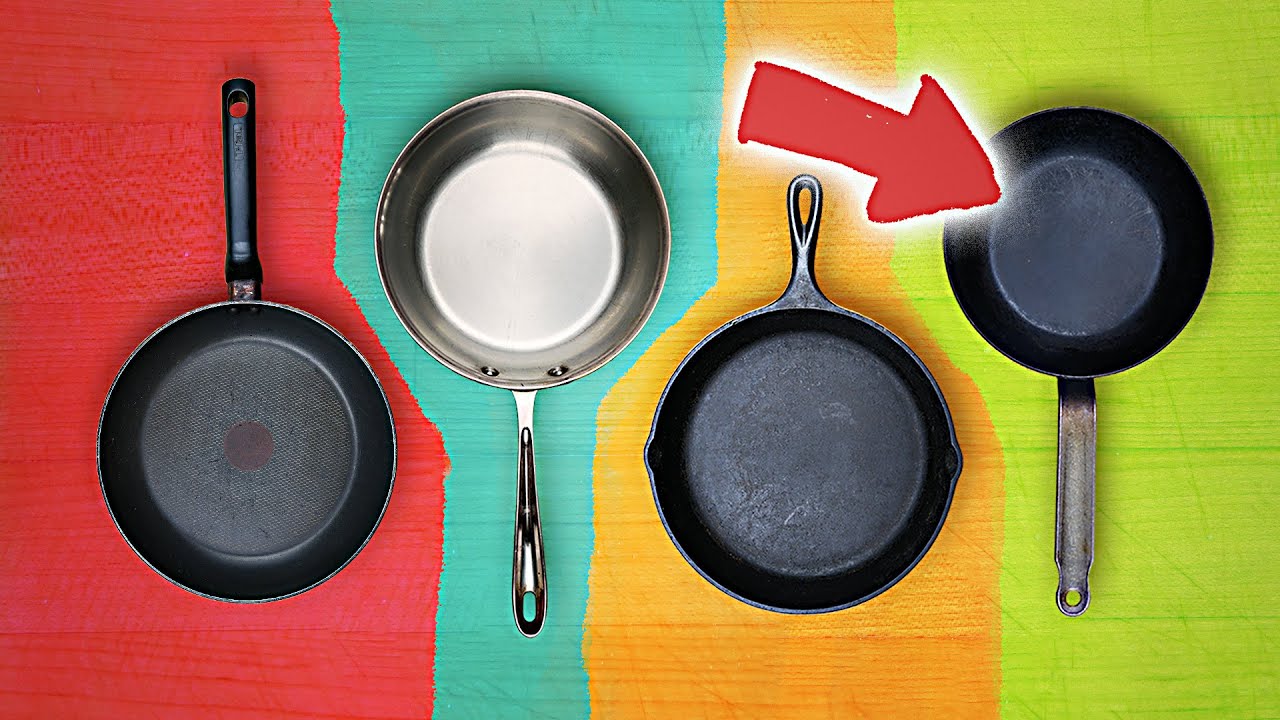
Gas stoves with good burners play effectively with either material but liberate carbon metallic’s full ability for quick tosses and wok hei style bursts.
Electric coil or glass-top stoves reward challenges for regular spherical-bottomed woks in spite of subject material - flat-bottomed models exist however tend to sacrifice a few tossing agility. Here, cast iron’s thermal mass supports catch up on gradual heating aspects.
If area is tight or your kitchen lacks robust ventilation, think about how broadly speaking you’ll desire to deep-fry or sear at prime warmth interior. A lighter carbon metal wok is more uncomplicated to maneuver under awkward vent hoods or at cramped stovetops.
Upkeep Tips: Getting Decades Out of Your Wok
https://andrejkys982.raidersfanteamshop.com/durability-face-off-cast-iron-wok-vs-carbon-steelA well-cared-for wok turns into an heirloom - I’ve used carbon steel fashions that outlasted a couple of apartments and two actions throughout state traces.
Here’s a concise record for long-term care:
Always dry your wok effectively after washing. Apply a skinny layer of impartial oil whilst nevertheless hot. Avoid long soaks or acidic foods except seasoning is mature. Store in a dry location; if stacking with different pans, region paper towels among to give protection to the seasoning. Occasionally re-season as wanted by means of heating with oil except flippantly smoking.Neglect those steps pretty much sufficient, and the two solid iron and carbon metallic will punish you with rust or sticky patches; practice them perpetually, and your wok will present you with a long time of devoted service.
Flavor and Tradition: Beyond Technicalities
The debate among solid iron wok vs carbon steel wok will never be essentially performance metrics or upkeep workouts. It’s tied to tradition and reminiscence.
When I discuss with my aunt in Guangzhou, her battered carbon metallic wok includes many years of historical past: ghosts of garlic fried in beef fat, scratches from bamboo spatulas wielded through impatient fingers. In her kitchen, pace concerns - dishes stream from flame to desk in minutes flat.
By contrast, my neighbor in Taipei slow-braises red meat noodle soup in her family’s forged iron wok handed down from her mother. The heavy pot not ever leaves the stove during winter months; its depth and stability imbue every single batch with heat.
Both reports ring a bell in me that picking out a wok is as a good deal approximately non-public rhythm as technical specs.
When One Isn’t Enough
Some passionate chefs prove possessing either sorts for distinctive responsibilities - by using carbon steel for stir-fries on weeknights and breaking out cast iron for weekend braises or deep-fried treats.
If your price range or garage allows simply one wok, consider your such a lot widely wide-spread dishes and your kitchen ergonomics specifically else.
Sourcing Your Wok: What to Look For
Whether deciding upon cast iron or carbon steel, search for those options:
- A diameter of 12 to 14 inches suits so much domestic tiers. Traditional around-bottomed shapes excel on gas; flat-bottomed models work enhanced on electrical stoves. Welded or riveted handles give exact grip; wooden handles live cool but might need tightening over the years. Avoid woks with chemical nonstick coatings - they lack toughness and decrease excessive-heat searing.
The ultimate price often comes from eating place furnish stores or Asian markets other than top-cease sellers; charges hardly ever exceed $50 for useful excellent unless you choose boutique brands.
The Verdict: Cast Iron Wok vs Carbon Steel Wok
No general resolution exists given that real kitchens run on human being necessities and behavior.
If you crave short stir-fries with smoky charred flavors and favor one thing mild adequate for tossing and trouble-free flipping, carbon metallic receives my nod on every occasion.
If your recipes skew closer to slow-cooked stews or deep-frying wherein steady temperature reigns supreme - specially on much less potent burners - forged iron continues to be unbeatable.
The beauty lies in how both constituents invite palms-on care and change into with use. Whichever trail you decide on, your wok becomes now not simply cookware yet an extension of your hand and heritage - organized for no matter flavors await your subsequent meal.